

Living in Marin County comes with many advantages, including beautiful coastal scenery, mild temperatures, and ocean breezes. However, the same coastal climate that makes the area so appealing can also create unique challenges for homeowners—especially when it comes to garage doors. Constant exposure to moisture, fog, salt air, and changing temperatures can gradually wear down garage door components and affect long-term performance. Understanding how coastal weather impacts garage doors can help homeowners protect their investment, avoid costly repairs, and extend the life of their garage door system.
Salt Air Accelerates Rust and Corrosion
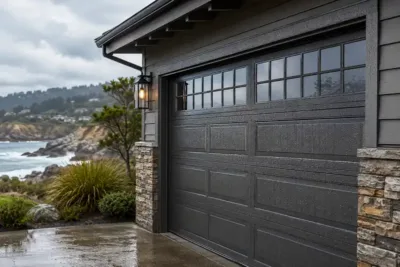 One of the biggest concerns for garage doors in Marin County is salt air. Homes located near the coast are regularly exposed to salty moisture carried inland by ocean breezes. Over time, salt buildup can cause metal garage door components to rust and corrode faster than they would in drier climates.
Garage door springs, hinges, rollers, tracks, cables, and hardware are especially vulnerable. Rust weakens these components, increasing the risk of sudden failures and expensive repairs. Corrosion can also affect garage door openers and sensors, leading to electrical issues or unreliable operation.
Homeowners who notice rust spots, squeaking noises, or stiff movement should schedule professional maintenance before minor corrosion turns into major damage.
Moisture and Fog Affect Garage Door Performance
Marin County’s coastal fog and damp conditions can create excess moisture around garage doors year-round. Moisture exposure can cause metal components to deteriorate while also affecting wooden garage doors.
Wood garage doors are particularly sensitive to moisture. Without proper sealing and maintenance, wood may absorb water, swell, warp, crack, or rot over time. This can affect the alignment and operation of the door while reducing curb appeal.
Even steel garage doors can develop moisture-related issues if protective coatings become damaged. Water intrusion may lead to peeling paint, rust formation, and weakened structural integrity.
Routine inspections and protective finishes are essential for preventing moisture-related damage in coastal environments.
Temperature Fluctuations Impact Springs and Hardware
Although Marin County enjoys relatively moderate weather, daily temperature swings can still affect garage doors in Marin County. Metal components naturally expand and contract as temperatures change, placing stress on springs, rollers, and tracks.
Garage door springs are under constant tension and can weaken more quickly when exposed to fluctuating temperatures combined with coastal moisture. As springs wear down, homeowners may notice uneven movement, loud noises, or difficulty opening and closing the garage door.
Regular maintenance helps identify worn components before they fail unexpectedly.
Wind Exposure Can Damage Garage Doors
Coastal areas often experience strong winds during storms and seasonal weather changes. High winds can place additional strain on garage doors, especially older systems or doors with weakened hardware.
Wind pressure may cause:
- Bent tracks
- Misaligned rollers
- Loose brackets
- Damaged panels
- Opener strain
For homes in exposed coastal locations, reinforced garage doors and upgraded hardware can provide better durability and protection during severe weather conditions.
Coastal Dirt and Debris Affect Moving Parts
Ocean air carries more than just moisture and salt. Dirt, sand, and airborne debris can collect inside garage door tracks and moving components. Over time, buildup may interfere with smooth operation and accelerate wear on rollers, bearings, and hinges.
Dirty tracks can also cause garage doors to become noisy, shaky, or uneven during operation. Routine cleaning and lubrication are important for maintaining reliable performance in coastal environments.
Garage Door Openers Can Experience Coastal Wear
Garage door openers are not immune to coastal weather effects. Humidity and salt exposure may gradually impact electrical components, wiring, and sensors. Corrosion around circuit boards or terminals can lead to inconsistent performance or opener failure.
If your garage door opener becomes slow, unreliable, or unresponsive, coastal wear may be contributing to the problem. Modern opener systems with sealed electronics and battery backup features often perform better in coastal climates.
Preventative Maintenance Is Essential
The best way to protect a garage door in Marin County is through regular preventative maintenance. Coastal conditions can accelerate wear, making annual inspections especially important for homeowners near the ocean.
Professional garage door maintenance may include:
- Lubricating moving parts
- Tightening hardware
- Cleaning tracks
- Inspecting springs and cables
- Checking opener performance
- Removing rust buildup
- Applying protective coatings
Routine service helps identify small issues early while extending the life of the entire garage door system.
Choosing the Right Garage Door for Coastal Homes
Not all garage doors perform equally well in coastal climates. Homeowners in Marin County should consider materials and finishes designed for moisture resistance and durability.
Popular coastal-friendly options include:
- Aluminum garage doors
- Galvanized steel doors
- Powder-coated finishes
- Composite or faux wood materials
- Rust-resistant hardware
Insulated garage doors can also help improve energy efficiency while protecting against moisture intrusion.
Final Thoughts
Coastal weather can take a serious toll on garage doors in Marin County over time. Salt air, moisture, wind, and debris all contribute to faster wear and potential damage if left unaddressed. Fortunately, regular maintenance, quality materials, and timely repairs can help homeowners keep their garage doors operating safely and efficiently for years to come.
By understanding the effects of coastal weather and staying proactive with maintenance, Marin County homeowners can protect both the appearance and functionality of their garage door investment.


